
📍 Location workflow
Use the map with the resource routes, quest walkthroughs and mount movement guide when planning a trip.
Open the map, pin the destination, and note one approach landmark plus one fallback shelter. Travel with enough inventory space for the intended resource and place a return pin if the route crosses a region boundary. On arrival, verify the biome, landmark or resource node against the journal. A route is ready when it can be repeated without relying on a screenshot with no landmark context.
Read regions as progression boundaries
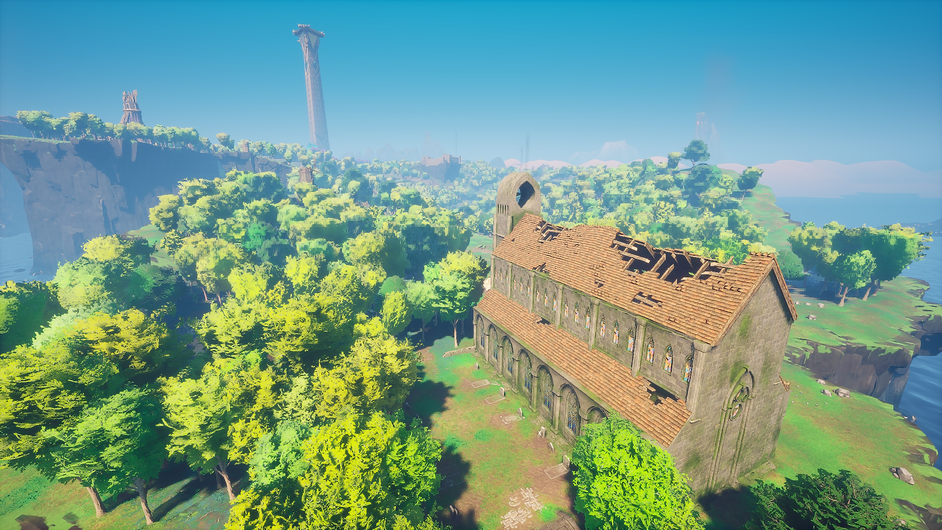
The quest list associates primary quests with regions such as Bramblemead Valley, Brynmoor, Ghornfell, Fellhollow, Dowdun Reach, Umbral Sands and Scorned Wilderness. Use those names as progression context, not just map labels: a region may indicate the next quest gate, a different enemy power expectation or a new resource loop.
For each route, record the region, one recognisable landmark, the nearest return option and the reason for travelling there. A good map answer lets another player recognise arrival without relying on a coordinate alone.
Record a location with five fields
For every important location, capture the region, approach landmark, purpose and nearest recovery point. Add the quest or skill prerequisite when the location is gated. A resource node without its tool requirement is not a complete location answer, and a region name without a landmark is not enough for a first-time player to recognise the destination.
Use the map marker as a navigation aid, then confirm arrival through terrain, a structure, NPC, resource or journal update. If the marker and world disagree, check whether the world, quest or map changed. For repeat trips, account for return weight and keep a fallback route in case you are attacked or become encumbered.
Useful early landmarks and resource anchors
For the opening route, treat Bramblemead Valley, Temple Woods and Whispering Swamp as different navigation anchors rather than interchangeable region names. The Restless Ghosts starting well is in the ruined village between Bramblemead Valley and Temple Woods. Finn’s Spirit is along the southern Bramblemead edge in a cave blocked by bramble; reaching it requires crossing the chasm with Windstep and clearing the bramble with an axe. Kay’s Spirit is in the western ruins of Whispering Swamp, north of Bramblemead.
Use these resources as return points: potatoes, redberries, rune essence and cows around Bramblemead Valley; Iron Ore and Granite around Stormtouched Highlands; Gold Ore and Silver Ore around Bloodblight Swamp; and Harralander around Whispering Swamp. They identify useful areas, but individual nodes may not always respawn in the same place. Mark a confirmed node on your own map.
| Region or route anchor | Use it when you need | Arrival check |
|---|---|---|
| Bramblemead Valley | Early food, Oak Logs, Redberries, Rune Essence, animals and the first base route | Village, water and the first quest/NPC loop are visible |
| Temple Woods | Early exploration and the route between the starting settlement and the first ghost/quest objectives | Ruined structures and the woodland approach match the journal direction |
| Whispering Swamp | Kay’s Spirit, Clay, Harralander and other swamp resources | Swamp terrain, waterfall/cave landmarks and the current quest marker agree |
| Stormtouched Highlands | Iron Ore, Granite and higher-power gathering | The region power and highland terrain match before committing to mining |
| Bloodblight Swamp | Gold Ore, Silver Ore and late-route gathering | Carry poison/recovery supplies and confirm the swamp boundary before entry |
The map page answers “which area should I travel to?”; the resource page answers the tool and processing dependency. For an exact node, save your own marker after the first successful collection because a region label alone is not a coordinate.
A route is mapped when you can repeat it
For a repeatable route, note the region, landmark, purpose, required tool or quest, and a safe way back. Confirm arrival with a visible landmark, resource, NPC, structure or journal update.