
🐉 Hide-to-leather workflow
Process hides with the leather recipes, store the output with inventory management and spend it on the crafting stations that match the next upgrade.
For tougher hides, the advanced tannery unlocks after Yew Logs first enter the inventory. Its listed build recipe is 12 Yew Logs, 4 Mithril Bars and 2 Desert Thread, with Construction 12. If an advanced leather recipe is missing, check that unlock trigger and station recipe before farming more hides; a full inventory of ordinary hides cannot substitute for the processing gate.
Identify the source, prepare the appropriate tool or weapon, gather a small sample, and process it at the station shown in the recipe. Keep rare dragonhide separate from ordinary hides until a quest or equipment recipe confirms its use. The completion signal is the expected leather tier appearing in storage and being accepted by the target recipe.
Keep raw hide and processed tiers separate
The base Tannery processes animal hides slowly, while upgraded stations unlock products that require two or three materials. A rare dragon drop is not automatically the leather tier required by a quest or armour recipe, so check the final recipe before farming.
Use a two-pass run. First collect a small sample from the named creature or region and confirm the raw item in storage. Then process one unit at the station shown by the current recipe and check the exact output name. Only after the output is accepted by the target craft should you scale the hunt. This prevents a long combat trip from consuming rare hide in an unverified recipe.
Plan the combat and processing halves separately
Before hunting, identify the source creature or region, required weapon or tool, raw drop, processing station and final recipe. Keep the slow base Tannery running while you gather the next hide batch; upgraded products may also need additional materials.
Carry enough food, weight capacity and repair access for the hunting route, then return before the raw drops make the inventory encumbered. Put rare dragonhide in a separate container and test one unit first. If the output is a different leather tier than expected, stop and re-check the target recipe. A complete route ends with the processed item accepted by the craft or quest, not merely with a full inventory of hides.
Hide-to-leather lookup
| Raw material | Source | Region | Tannery route |
|---|---|---|---|
| Animal Hide | Large enemies | Anywhere | 1 Hide → Leather |
| Animal Hide Scraps | Enemies | Bramblemead Valley | 3 Scraps → Leather |
| Dire Wolf Hide | Dire Wolf | Fractured Plains and Stormtouched Highlands | 1 Hide → Dire Wolf Leather |
| Dragonhide | Matching dragon encounter | Dragon encounter regions | Use the exact dragonhide recipe |
| Leather | Animal Hide or Scraps | Tannery output | 2 Leather + 1 Adhesive → Hard Leather |
Dragonhide lookup
| Hide | Source | Drop information | Processing | Main result |
|---|---|---|---|---|
| Green Dragon Hide | Green Dragon | Green dragons; confirm the encounter before committing to a ranged-gear run | Tannery | Green Dragonhide Leather and green ranged armour |
| Blue Dragonhide | Lesser Blue Dragons | Blue dragons; the local item record lists the hide as a drop from felled Lesser Blue Dragons | Tannery | Blue Dragon Leather and blue ranged armour |
| Red Dragon Hide | Red Dragon | 6–8 per Red Dragon, listed as always; the item is not sold in shops | Tannery, Artisan 40 | 2 Red Dragonhide Leather per hide |
| Black Dragon Hide | Black Dragon | Added with the 1.0-era content; the item is not sold in shops | Advanced Tannery, Artisan 20 | Black Dragon Leather from 1 hide + 1 Dragon Blood + 1 Ground Rune Essence |
| Dire Wolf Hide | Dire Wolf | 1 per Dire Wolf, listed as always | Tannery, Artisan 40 | Dire Wolf Leather |
The practical route is different by tier: hunt Dire Wolves for the early special leather, then target the dragon that matches the ranged armour tier you want. Keep the raw hide until the correct tannery and skill requirement are available; the hide and the finished leather are separate inventory items.
For the station chain after collection, continue with leather, cloth and adhesive processing recipes and use the crafting and production station guide when the tannery upgrade or Artisan level is the blocker.
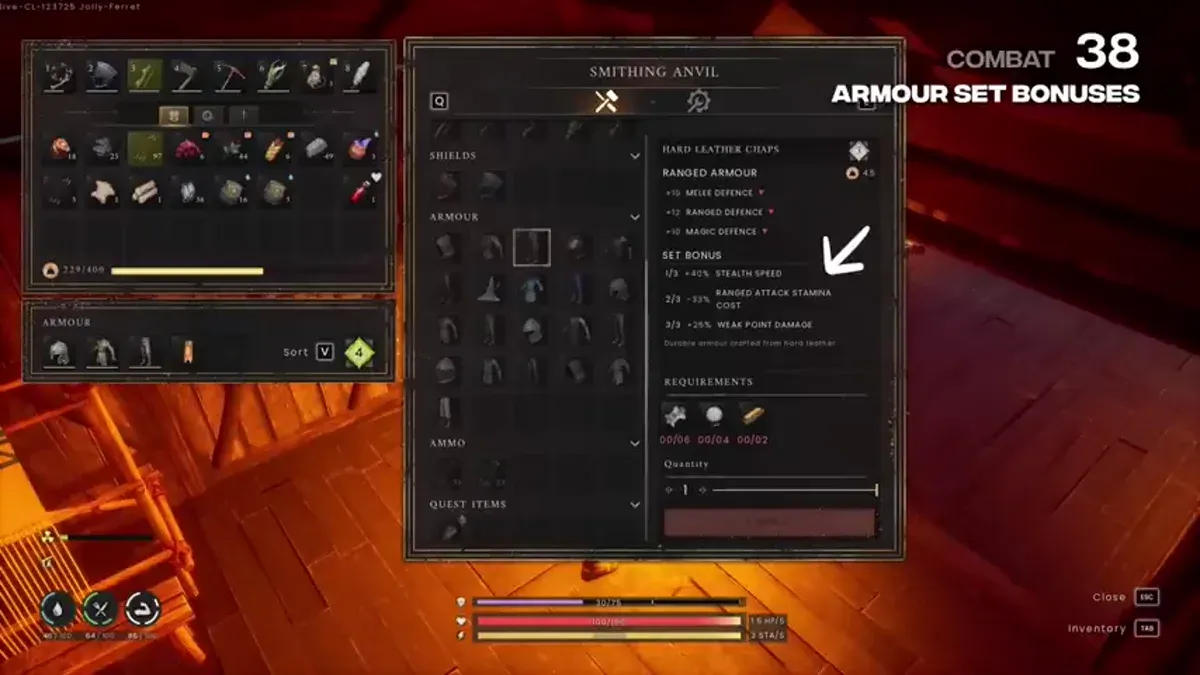
A Tannery converts 1 Animal Hide or 3 Animal Hide Scraps into Leather; Hard Leather then uses 2 Leather plus 1 Adhesive.
Use the source table above to choose the creature and region, carry the required tool and reserve one inventory slot for the drop, then test one Tannery batch. If the expected leather is not listed, check whether the journal is asking for a different hide tier or an upgraded station before returning to farm.
The leather route is ready when
Plan the full chain from source creature and combat preparation to raw drop, Tannery process and final craft. If the output tier is unexpected, keep the rare material and recheck the exact recipe before starting another hunting trip.